Low back pain radiating down a leg, loss of strength when walking, or that persistent tingling sensation in the calf or foot, are not always due to a bad movement or “old age”. In many cases, the cause is clear: a nerve trapped in its natural exit from the spine.
This compression of a nerve root in the foramen through which it leaves the spinal canal is called foraminal stenosis and can become a constant source of limitations. When conservative treatments no longer work, the solution may involve a precise and increasingly popular procedure: lumbar foraminotomy.
It is a surgical technique that enlarges the space through which the compressed nerve exits, relieving the pressure that causes pain, numbness or weakness. Today, this surgery is performed with minimally invasive methods, reducing damage to healthy tissues and significantly shortening recovery.
The clinical results speak for themselves: according to the National Institute of Health, more than 80 % of patients operated on by lumbar foraminotomy experience clear functional improvements before the second month after the operation, according to data published by European neurosurgical societies. And all this with fewer risks, fewer days of hospitalization and a more comfortable recovery.
In this article you will find relevant information, explained in a clear and updated way about:
- What exactly is lumbar foraminotomy and in which cases is it indicated.
- What are the surgical techniques used in this procedure.
- How long nerves need to recover after surgery.
- What differentiates this technique from others, such as laminectomy.
- What are the benefits of this surgery and what are its risks?
- What to expect during the recovery process.
The key lies in an accurate diagnosis, an appropriate surgical technique and the follow-up of a team specialized in spine surgery. Because many times, quality of life is just a millimeter of nerve space away.
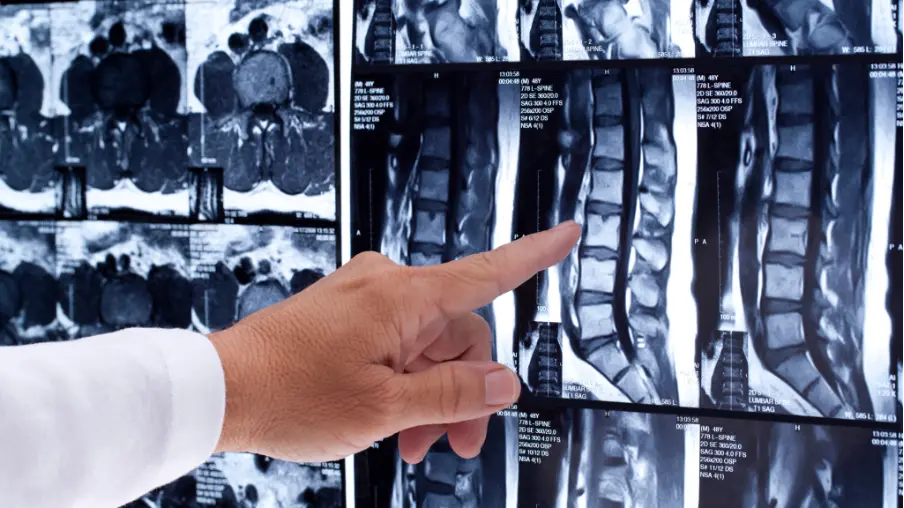
What is lumbar foraminotomy?
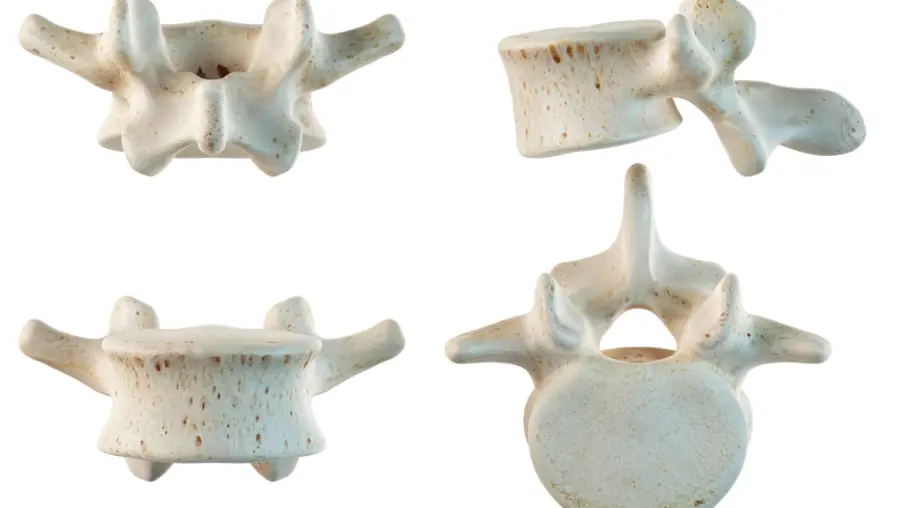
Lumbar foraminotomy is a surgical procedure designed to widen the vertebral foramina, the “holes” through which nerve roots exit, when they have narrowed (foraminal stenosis) and are putting pressure on a nerve. By creating more space, irritation, radiating pain and neurological symptoms are reduced.

Why may a lumbar foraminotomy be necessary?
There are several causes why the foramen may narrow. The most common reasons include:
- Foraminal stenosis: Narrowing of the conjunctival foramen due to joint degeneration, thickening of ligaments or osteophyte formation.
- Herniated discs: when the disc protrudes, in combination with joint or ligament hypertrophy, it may cause root compression at the level of the foramen of conjunction.
- Chronic nerve compression: due to inflammation, fibrosis or persistent mechanical changes.
The main objective is to free the trapped nerve root, thus avoiding symptoms such as chronic sciatica, altered sensitivity or paresthesia in the lower extremities.
How is a lumbar foraminotomy performed?
There are several surgical approaches, all focused on minimizing tissue damage and speeding recovery:
1. Microsurgery with surgical microscope
Surgery is performed through a small incision (2-3 cm), with the aid of a microscope that allows a magnified view of the nerve root. The limited part of the foramen and, if necessary, a disc fragment is removed.
Advantages:
- Millimeter accuracy
- Less bleeding and improved healing
- Shorter surgical time
2. Endoscopic Foraminotomy
Sometimes an endoscope– a small camera inserted through a minimal incision (1 cm) – may be used. Endoscopic instruments are used to remove bone or disc tissue and open the foramen.
Advantages:
- Less invasive technique
- High success rate with rapid recovery
- Ambulatory room in many cases
3. Image-guided percutaneous surgery
Under fluoroscopic control or intraoperative CT, the foramen is accessed with a needle and material is introduced for precise widening. Ideal in selected cases, with minimal tissue injury.
How long does it take for nerves to heal after foraminotomy?
Nerve function usually begins to recover quickly, although the entire process takes somewhat longer, depending on how long the patient’s pre-operative symptoms have evolved.
First few days: radiating pain or weakness is reduced almost immediately.
- Weeks 2-4: sensitivity and strength begin to return, with good physiotherapeutic follow-up.
- After one month: most patients achieve significant improvement, with almost complete recovery and good functional results in 80-90% of cases.
Factors such as age, compression time before surgery and the patient’s general condition influence the speed of recovery.
How long does it take for lumbar spine surgery to heal?
Although foraminotomy is less aggressive than other techniques, complete recovery of the lower back may take somewhat longer:
- Between 1 and 3 months: most patients resume their daily activities without significant discomfort.
- From the 3rd month onwards: the healing and muscle strengthening process is well advanced.
- Postoperative follow-up with physiotherapy and postural correction is key to avoid relapses.
What is the difference between foraminotomy and laminectomy?
Although both procedures alleviate nerve compression, there are important differences:
Procedure | Foraminotomy | Laminectomy |
Access | Foramen | Central space of the vertebral canal |
Target | Widen the foramen only | Open full channel (center channel) |
Technique | Unilateral | Bilateral |
Indications | Foraminal stenosis | Lumbar canal stenosis |
Recovery | 1 month | 1 to 2 months |
The choice depends on the type and extent of compression: foraminotomy is ideal when only the foramen is affected, while laminectomy is reserved for more extensive narrowing of the canal.
Benefits of lumbar foraminotomy
- Effective relief of radicular pain.
- Improved sensitivity and strength of the lower extremities.
- Preservation of vertebral stability, especially through microsurgical techniques.
- Faster recovery and lower risks.
- Less impact on muscles and ligaments.
Risks and possible complications
Although they are infrequent, it is important to be aware of them:
- Wound or bone infection.
- Instability if bone resection is excessive.
- Cerebrospinal fluid fistula (very infrequent in foraminal stenosis)
With an experienced team and good postoperative protocol, these complications are reduced to less than 5%.
Recommendations for recovery
- Early mobilization: walking from the first day to avoid complications.
- Physiotherapy: it can be started from the third week, if necessary.
- Weight control and elimination of excessive loads.
- Postural control when sitting or standing.
- Periodic revisions to assess bone consolidation and tissue condition.
Lumbar foraminotomy is an intervention that offers an ideal balance between efficacy and safety. If you suffer from persistent sciatica, tingling, weakness or unrelenting pain, it may be the procedure that restores your quality of life.
To know if this intervention is right for you, a personalized evaluation in consultation is essential, with imaging tests and clinical examination by a specialist in spinal surgery.

📍 Dr. Andrés Muñoz – Specialist in neurosurgery and spine surgery
📞 609 688 469
👉 Request your consultation here